
feather flag assembly instructions
Feather flags are a vibrant branding solution‚ quickly assembled for impactful displays. Proper setup involves understanding components and following these instructions for a bold statement!
Understanding Feather Flag Components
Feather flag kits typically include several key parts. First‚ you’ll find the flag itself‚ crafted from durable polyester material. Next are the pole sections – usually 3 or 4 pieces – designed to connect and create the flag’s height. A crucial element is the bungee cord‚ used to securely attach the flag to the pole‚ allowing for some flexibility in wind.
The base provides stability; options include a cross base for flat surfaces or a ground stake for outdoor use in softer terrain. Finally‚ the spindle is a tightening mechanism for the cross base‚ ensuring a firm hold. Recognizing each component is the first step towards successful assembly and a visually appealing display.

Safety Precautions During Assembly
Prioritize safety when assembling your feather flag! Avoid installation near trees or obstructions that could cause the flag or pole to fall. When using a ground stake‚ always hammer the top of the stake – never directly on the flag mount – to prevent damage.
Exercise caution when tightening the bungee cord; apply sufficient tension to secure the flag‚ but do not overtighten‚ as this could strain the material or pole. Be mindful of your surroundings and ensure a clear workspace. If assembling in a public area‚ be aware of pedestrian traffic. Following these simple precautions will ensure a safe and successful setup.

Assembling the Flag Pole
Connect the pole sections sequentially‚ starting with the smallest. Arrange poles by size‚ ensuring proper order before joining them for a stable‚ extended reach.
Arranging Pole Sections by Size
Prior to assembly‚ carefully lay out all the feather flag pole sections. Identifying the correct sequence is crucial for a structurally sound flagpole. Begin by locating the smallest diameter section – this typically forms the top of the pole.
Next‚ find the section that is slightly larger in diameter and continues this process until you’ve arranged all sections from smallest to largest. Confirm the poles are in the correct order before attempting to connect them.
This methodical approach prevents frustration and ensures a smooth assembly process. Incorrect sequencing can lead to sections not fitting properly‚ compromising the flag’s stability and overall appearance. A properly arranged pole is the foundation for a successful display.
Connecting Pole Sections
Once arranged‚ begin connecting the pole sections. Most feather flag poles utilize a simple push-fit or twist-lock mechanism. Starting with the smallest sections‚ firmly insert the narrower end into the wider opening of the next section.
Apply gentle‚ even pressure while twisting (if applicable) until you feel a secure connection; Avoid excessive force‚ as this could damage the pole. Continue this process‚ adding each subsequent section until the entire pole is assembled.
Regularly check each connection point to ensure it remains secure throughout the assembly. A wobbly or loose connection will compromise the flag’s stability‚ especially in windy conditions. A solid connection is key for a professional display.
Ensuring Proper Pole Alignment
Critical to a successful feather flag display is ensuring proper pole alignment. As you connect each section‚ visually inspect the pole’s straightness. Any significant bends or curves will prevent the flag from achieving its characteristic “feather” shape and may cause instability.
If a section appears bent‚ do not force the connection. Instead‚ carefully examine it for damage and consider replacing it if necessary. A misaligned pole will also put undue stress on the flag material‚ potentially leading to tears or premature wear.
Periodically rotate the assembled pole to check for consistent straightness from all angles. A perfectly aligned pole is the foundation for a professional and eye-catching feather flag presentation.

Attaching the Flag to the Pole
Begin by locating the flag’s grommet. Thread the bungee cord through it‚ then securely tie the ends‚ creating tension – but avoid overtightening!
Locating the Flag Grommet
The flag grommet is a crucial point for attachment‚ typically a reinforced metal ring sewn into the upper corner of the flag panel. Carefully inspect the flag’s leading edge – the side that will face the wind – to pinpoint its exact location. It’s designed to withstand the stress of the bungee cord and ensure a secure connection to the flagpole.
Sometimes‚ flags may have multiple grommets for added durability‚ but for standard feather flag assembly‚ you’ll primarily use the single‚ most prominent one. Ensure the grommet isn’t damaged or frayed before proceeding‚ as this could compromise the flag’s stability. A properly positioned grommet is essential for achieving the characteristic ‘feather’ wave and preventing the flag from detaching during use.
Threading the Bungee Cord
With the grommet located‚ take the bungee cord – a stretchy‚ elastic cord – and carefully thread one end through the grommet. Push the cord through from front to back of the flag‚ creating a loop on the flagpole side. This loop will be used to secure the flag. Ensure you’re using a bungee cord of appropriate length; too short‚ and it will be difficult to tie‚ too long‚ and it won’t provide sufficient tension.
Take your time during this step to avoid damaging the grommet or the flag material. A smooth threading process will contribute to a more secure and long-lasting assembly. Double-check that a sufficient length of the cord extends through the grommet for tying a secure knot in the next step.
Securing the Bungee Cord Knot
Now‚ carefully tie the ends of the bungee cord together‚ creating a secure knot. A simple overhand knot‚ followed by a square knot‚ is often sufficient. Tighten the knot firmly‚ but avoid overtightening‚ which could damage the flag’s grommet or the bungee cord itself. The goal is to create tension that keeps the flag taut against the pole‚ ensuring the desired feather shape.
Inspect the knot to confirm it’s properly secured and won’t easily come undone. A well-tied knot is crucial for preventing the flag from slipping down the pole during use. Regularly check the knot’s integrity‚ especially after exposure to wind or weather‚ to maintain a safe and visually appealing display.

Setting Up the Base
Begin by locating the cross base and opening the bars to form a 90-degree angle. Ensure the notched bar is at the bottom for stability.
Cross Base Assembly ‒ Opening the Bars
Initiating the base setup requires careful attention to detail. Locate the cross base components – typically two bars designed to intersect. The first step involves opening these bars‚ maneuvering them until they form distinct 90-degree angles. This creates the foundational square shape necessary for a stable flag display.
Crucially‚ identify the bar featuring a notch. This notched bar must be positioned at the bottom. This configuration allows the second‚ un-notched bar to securely sit into the notched one‚ providing a robust interlocking mechanism. Ensuring correct orientation is vital for the subsequent tightening process and overall base integrity. A properly opened and aligned base is the cornerstone of a successful feather flag installation.
Tightening the Spindle
With the cross base bars forming a 90-degree angle and correctly aligned (notched bar down)‚ the next crucial step is tightening the spindle. This spindle‚ located at the center where the two arms intersect‚ acts as a locking mechanism‚ securing the base’s structure.
To tighten‚ simply twist the spindle. This action draws the two bars firmly together‚ creating a stable and secure foundation for the feather flag pole. Continue twisting until you feel resistance‚ indicating a snug fit. Avoid over-tightening‚ as this could potentially damage the spindle or the base components. A properly tightened spindle ensures the base remains rigid and prevents wobbling‚ contributing to a professional and lasting display.
Positioning the Base
Once the cross base is assembled and the spindle is securely tightened‚ carefully position the base at your desired location. You have the flexibility to place the base before or after attaching the flag pole – choose whichever method suits your setup best.
Ensure the chosen location is relatively flat and stable to prevent tipping. Consider the surrounding environment; avoid areas with heavy foot traffic that could accidentally knock over the display. Crucially‚ do not install the flag near trees or other obstructions that could interfere with its movement or cause damage. Proper positioning maximizes visibility and ensures a long-lasting‚ impactful presentation for your feather flag.

Ground Stake Installation
Securely anchor your feather flag using the ground stake! Hammer the top of the stake – never the flag mount – for proper‚ stable installation.
Hammering the Ground Stake (Top End)
Initiating ground stake installation requires careful technique to ensure stability and prevent damage. Always hammer the top end of the stake firmly into the ground; avoid striking the flag mount directly‚ as this could cause misalignment or breakage.
Apply consistent‚ controlled blows‚ checking frequently to assess the stake’s penetration. The ground’s composition will influence the force needed – softer soil requires less‚ while harder ground demands more deliberate hammering.
Continue until only a small portion of the stake remains visible above the surface‚ providing a secure foundation for the flag base. Remember‚ a properly installed stake is crucial for withstanding wind and maintaining a professional display.
Securing the Pole into the Base
Once the base is positioned and the ground stake (if applicable) is installed‚ carefully insert the lower end of the assembled flag pole into the central opening of the base. Ensure a snug fit; the pole should stand upright without excessive wobbling.
If the base utilizes a tightening mechanism – like a spindle – rotate it clockwise to firmly secure the pole. This action locks the pole in place‚ providing stability against wind pressure.
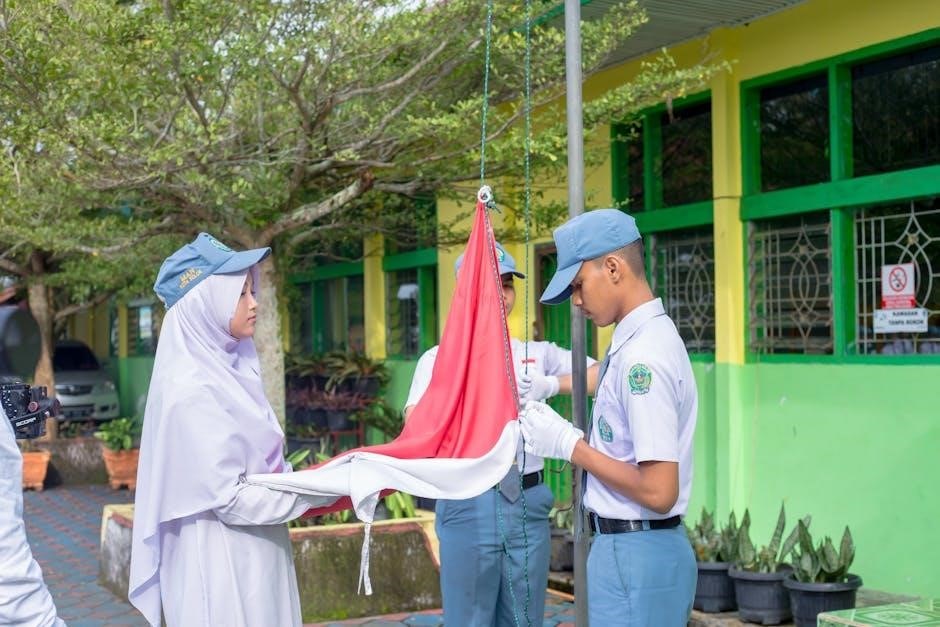
Double-check the pole’s vertical alignment after tightening. A secure connection between the pole and base is paramount for preventing accidental falls and maintaining a professional presentation. Avoid over-tightening‚ which could damage the base or pole.

Final Adjustments and Considerations
Achieve the signature feather shape by gently manipulating the flag material. Position away from trees to prevent damage‚ and avoid overtightening the bungee cord!
Achieving the Feather Shape
Once the flag is attached and secured to the pole and base‚ achieving the characteristic “feather” wave is crucial for visual appeal. This isn’t about forceful manipulation‚ but rather gentle encouragement of the flag material. Begin by lightly lifting and releasing sections of the flag‚ allowing the fabric to naturally curve and flow.
The flag’s design and material are intended to create this wave with minimal effort. Avoid pulling or stretching the fabric aggressively‚ as this could damage the print or the material itself. A slight breeze will naturally enhance the feathering effect‚ but even indoors‚ a gentle hand can create a dynamic and eye-catching display. Remember‚ the goal is a graceful‚ flowing shape‚ not a rigid or forced one.
Avoiding Obstructions (Trees)
Careful site selection is paramount when installing your feather flag‚ particularly concerning potential obstructions like trees. Installing near trees may seem convenient‚ but branches pose a significant risk of damage to both the flag and the pole. Even a gentle breeze can cause the flag to whip into branches‚ leading to tears‚ snags‚ or even complete breakage of the pole sections.
Prior to installation‚ thoroughly assess the surrounding area for any overhead or nearby obstructions. Ensure ample clearance in all directions‚ accounting for wind gusts and the flag’s natural movement. Choosing a clear‚ open space will not only protect your investment but also maximize the flag’s visibility and impact. Remember‚ prevention is far easier than repair!
Maintaining Tension – Not Overtightening
Achieving the signature “feather” wave in your flag relies on proper bungee cord tension. The cord should be taut enough to create the desired curvature and prevent sagging‚ but crucially‚ avoid overtightening. Excessive tension places undue stress on the flag material‚ grommet‚ and pole connections‚ potentially leading to premature wear and tear or even breakage.
When securing the bungee cord knot‚ aim for a firm‚ secure hold‚ but avoid straining the cord to its absolute limit. A slight give is preferable. Regularly inspect the cord for signs of stretching or fraying. Maintaining the correct tension ensures optimal flag display and prolongs the lifespan of your investment‚ keeping your branding looking its best.

Troubleshooting Common Issues
If the flag isn’t secure or pole sections won’t connect‚ double-check bungee cord knots and pole alignment. Proper assembly prevents frustrating display problems!
Flag Not Staying Secure
A common issue is the flag repeatedly detaching from the pole. This usually stems from an improperly secured bungee cord. Ensure the cord is threaded correctly through the flag’s grommet‚ creating a snug but not overly tight connection.
Carefully tighten the knot‚ applying sufficient tension to hold the flag firmly in place. Avoid overtightening‚ as this can damage the grommet or the cord itself. Inspect the grommet for any signs of wear or tear; a damaged grommet will struggle to maintain a secure hold.
Also‚ verify the bungee cord isn’t stretched or frayed. If it is‚ replacement is recommended. Finally‚ confirm the pole sections are fully connected‚ as any looseness can contribute to instability and flag slippage.
Pole Sections Not Connecting Properly
Difficulty connecting pole sections often arises from incorrect ordering. Always arrange the sections from smallest to largest before attempting assembly. Ensure each section is fully inserted into the next‚ listening for a click or feeling a secure lock.
If sections remain stubbornly loose‚ check for any debris or obstructions within the connecting points. A gentle twisting motion while applying pressure can sometimes help align the internal mechanisms.
Avoid forcing the sections together‚ as this could cause damage. If persistent issues occur‚ inspect the ends of the poles for any bending or deformation. A slightly bent end can prevent a proper‚ secure connection. Consider contacting the manufacturer if damage is apparent.

Care and Maintenance
Regular cleaning extends your flag’s life. Gently wash the flag material to remove dirt and debris‚ ensuring vibrant colors and continued visual impact.
Cleaning the Flag Material
Maintaining your feather flag’s appearance requires periodic cleaning. Gently hand wash the flag material with mild soap and cool water; avoid harsh detergents or abrasive cleaners. Do not machine wash or tumble dry‚ as this can damage the fabric and print. Rinse thoroughly to remove all soap residue.
Lay the flag flat to air dry‚ avoiding direct sunlight which may cause fading; Inspect the flag for any tears or damage during the cleaning process and address them promptly with appropriate fabric repair techniques. Regular cleaning not only preserves the vibrant colors but also extends the overall lifespan of your investment‚ ensuring a consistently professional display.








Leave a Comment