
chicago street guide
Chicago Street Guide: A Comprehensive Overview
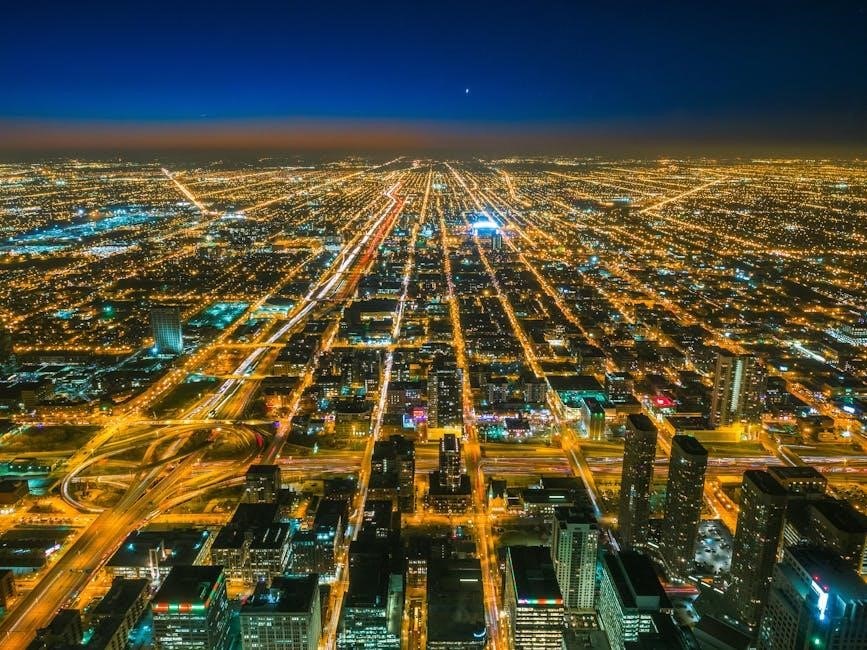
Navigating Chicago’s urban landscape is simplified by its logical grid system, offering a clear visual guide for residents and visitors alike.
Chicago boasts a remarkably organized street system, a defining characteristic that distinguishes it from many other major cities. This system, largely based on a grid, facilitates relatively easy navigation throughout the metropolis. Understanding this foundational structure is key to exploring the city’s diverse neighborhoods and accessing its numerous points of interest. The grid isn’t perfect, evolving over time, but it remains the core principle.
Detailed maps, both online and in print, leverage this grid for precise location identification. Resources like Yandex Maps provide building numbers and street-level views, enhancing the user experience. Whether you’re a long-time resident or a first-time visitor, grasping the basics of Chicago’s street layout will significantly improve your ability to traverse and appreciate this vibrant urban center.
The Grid System: The Foundation of Chicago Navigation
The Chicago grid system, established after the Great Chicago Fire of 1871, prioritizes logical organization. State Street serves as the primary north-south axis, while Madison Street defines the east-west baseline. Numbering generally increases as you move away from these central points. This consistent pattern allows for relatively straightforward address location and directional understanding.
However, the system isn’t entirely uniform; diagonal streets and deviations exist, particularly in older areas. Despite these exceptions, the grid remains remarkably effective. Online maps often display grid coordinates, aiding in pinpointing locations. Familiarizing yourself with this system unlocks a simpler, more intuitive way to navigate Chicago’s extensive network of streets and avenues.

Major Streets and Thoroughfares
Chicago’s prominent streets, like Michigan Avenue and Roosevelt Road, function as vital transportation corridors, connecting neighborhoods and facilitating citywide movement efficiently.
North-South Streets: A Detailed Look
Chicago’s north-south streets form the backbone of its grid system, offering consistent directional routes throughout the city. Cicero Avenue, a major diagonal artery, intersects with many of these, creating key navigational points. Halsted Street, historically significant, provides access to diverse communities and commercial areas. Michigan Avenue, renowned for its upscale shops and architecture, also runs north-south, serving as a prominent thoroughfare.
These streets are crucial for local travel and connect to the expansive expressway network. Understanding their numbering and consistent layout is fundamental to navigating Chicago effectively. They facilitate movement between neighborhoods and access to essential services and destinations across the city.
Cicero Avenue
Cicero Avenue stands as a significant diagonal street within Chicago’s broader transportation network, notably intersecting with numerous north-south streets that define the city’s grid. While not strictly aligned with the grid, its presence is crucial for navigating between communities and accessing key commercial areas. It serves as a vital corridor connecting the city center to its western suburbs.
Historically, Cicero Avenue has been a major route for commerce and transportation, and continues to be a heavily trafficked thoroughfare. Its diagonal path offers alternative routes, bypassing congestion on the more rigid grid system, making it a practical choice for many commuters.
Halsted Street
Halsted Street is a prominent north-south artery in Chicago, historically significant for its role in the city’s development and cultural landscape. It’s known for its vibrant commercial strips and diverse neighborhoods, particularly its association with the LGBTQ+ community in Boystown. Halsted’s continuous stretch provides access to a wide range of businesses, restaurants, and entertainment venues.
Unlike some of the more rigidly gridded streets, Halsted’s character is defined by its localized pockets of activity and its connection to the city’s evolving social fabric. It remains a crucial route for both vehicular and pedestrian traffic, embodying Chicago’s dynamic urban environment.
Michigan Avenue
Michigan Avenue, often called the “Magnificent Mile,” is arguably Chicago’s most famous street, renowned for its upscale shopping, architectural landmarks, and tourist attractions. Stretching north from the Chicago River, it’s a major commercial and cultural hub, featuring flagship stores, luxury hotels, and world-class restaurants.
Historically, Michigan Avenue’s development mirrored Chicago’s growth, evolving from a residential thoroughfare to a premier destination. Its iconic buildings and vibrant atmosphere make it a defining feature of the city’s skyline and a symbol of its economic vitality, attracting visitors from around the globe.
East-West Streets: Key Routes Across the City
Chicago’s east-west streets serve as vital arteries, connecting neighborhoods and facilitating cross-city travel. North Avenue, Roosevelt Road, and 95th Street are particularly significant, each possessing unique characteristics and serving distinct communities. These routes often feature a mix of residential areas, commercial districts, and cultural institutions.
Navigating these streets requires understanding their varying traffic patterns and the neighborhoods they traverse. They provide access to diverse amenities and contribute significantly to the city’s overall transportation network, offering alternative routes beyond the expressways. Understanding these key routes enhances exploration of Chicago’s varied districts.
North Avenue
North Avenue is a major east-west thoroughfare, acting as a significant dividing line and a bustling corridor through numerous Chicago neighborhoods. It’s known for its diverse commercial offerings, ranging from vintage shops and music venues to restaurants and local businesses. The street provides crucial access to residential areas and cultural landmarks.
Historically, North Avenue has been a hub of activity, reflecting the city’s evolving demographics and economic landscape. Its accessibility and central location make it a key route for commuters and explorers alike, connecting the city’s north and west sides. It’s a vibrant street embodying Chicago’s spirit.
Roosevelt Road
Roosevelt Road serves as a vital east-west artery, historically significant and strategically positioned within Chicago’s grid system. It provides access to the South Loop, Museum Campus, and numerous residential neighborhoods, fostering connectivity across the city. The road is characterized by a mix of commercial and institutional buildings.
Roosevelt Road’s development reflects Chicago’s urban planning and growth patterns. It’s a key transportation route, accommodating vehicular traffic and public transportation options. Its central location and accessibility contribute to its importance as a commercial and residential corridor, embodying Chicago’s dynamic urban character.
95th Street
95th Street marks a significant east-west boundary, particularly on the South Side of Chicago, and extends into the surrounding suburbs. It’s a major thoroughfare providing access to residential areas, commercial districts, and transportation hubs. The street’s character varies, encompassing retail centers, community institutions, and diverse housing options.
Historically, 95th Street has served as a key corridor for development and connectivity. Its accessibility and strategic location contribute to its importance within the Chicago metropolitan area. It represents a blend of urban and suburban influences, reflecting the region’s evolving landscape and diverse communities.
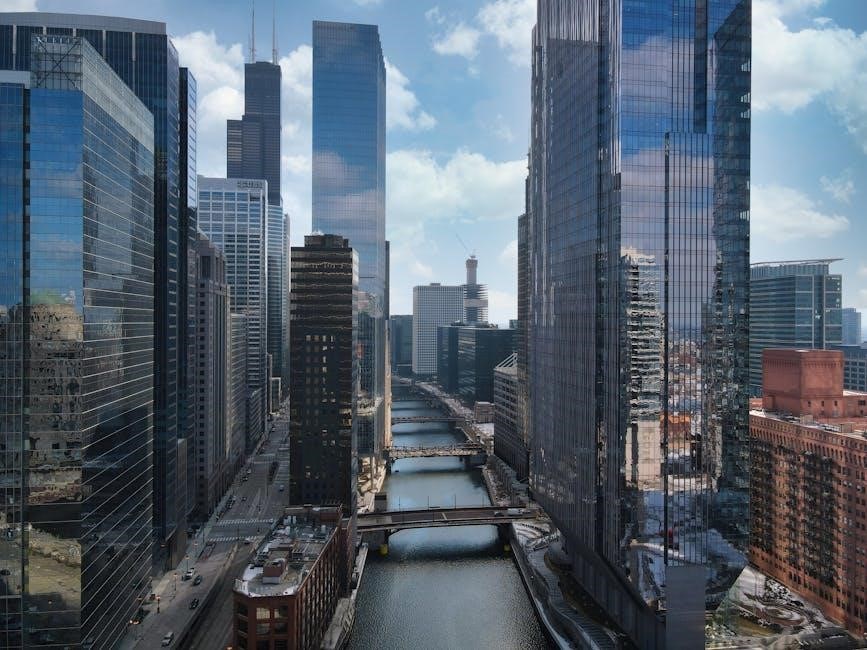
Navigating Chicago’s Neighborhoods
Chicago’s community areas and neighborhood boundaries are best understood using street numbers and a detailed map referencing the city’s grid system.
The Role of Street Numbers in Locating Addresses
Understanding Chicago’s addressing system is crucial for efficient navigation. The city’s grid layout directly correlates with street numbers, providing a logical way to pinpoint locations. Generally, higher numbers indicate locations further from the city center, or the starting point of that street.
Major streets like State and Madison serve as the zero points for addressing. This means addresses increase as you move north, west, south, or east from these central points. Detailed online maps, including those available on Yandex Maps, display building numbers, aiding precise location finding. Knowing this system simplifies finding destinations and understanding a location’s relative position within the city’s extensive network of streets.
Understanding Chicago’s Community Areas and Neighborhood Boundaries
While Chicago’s grid system provides a foundational structure, the city is also defined by distinct Community Areas and neighborhoods. These aren’t always strictly aligned with the grid, leading to some navigational nuance. Community Areas are officially recognized divisions used for statistical purposes, while neighborhoods often have more fluid, culturally-defined boundaries.
Neighborhood maps visually represent these areas in relation to the grid, using grid/address block numbers for major streets as reference points. Understanding these boundaries enhances exploration beyond simple addresses, allowing you to experience the unique character of each area. Resources like neighborhood guides complement street maps for a richer understanding of Chicago’s diverse urban fabric.

Key Transportation Arteries
Chicago’s major expressways – Kennedy (I-90/94) and Dan Ryan (I-94) – alongside Lake Shore Drive, form vital transportation corridors throughout the city;
Lake Shore Drive: Scenic Route and Transportation Hub
Lake Shore Drive is arguably Chicago’s most iconic roadway, extending approximately 18 miles along the Lake Michigan shoreline. Beyond its breathtaking views, it serves as a crucial transportation artery, connecting numerous neighborhoods and offering convenient access to downtown. The drive isn’t merely a scenic route; it’s a vital component of the city’s transportation infrastructure.
Originally conceived as a parkway, Lake Shore Drive has evolved into a multi-lane highway, accommodating both local and through traffic. It provides access to popular attractions, museums, and recreational areas. South Shore Drive is a continuation of this scenic route, further enhancing accessibility along the lakefront. Its presence significantly impacts traffic flow and connectivity within Chicago.
The Kennedy Expressway (I-90/94)
The Kennedy Expressway (I-90/94) is a major north-south transportation corridor, essential for navigating Chicago and connecting the city to its surrounding suburbs. This heavily trafficked highway serves as a critical link for commuters and freight transport, significantly impacting the region’s economic activity. It’s a vital artery for daily travel;
Running through the west side of Chicago, the Kennedy often experiences congestion, particularly during peak hours. However, it remains a primary route for accessing O’Hare International Airport and destinations further north and west. Understanding its layout and potential delays is crucial for efficient travel planning within the Chicago metropolitan area.
The Dan Ryan Expressway (I-94)
The Dan Ryan Expressway (I-94) forms a crucial south-southwest corridor, serving Chicago’s South Side and extending into Indiana. This major highway is a vital component of the city’s transportation infrastructure, facilitating movement for both commuters and commercial traffic. It’s known for its significant volume and often experiences substantial congestion, especially during rush hour.
The Dan Ryan provides direct access to many South Side neighborhoods and connects Chicago to interstates leading further south. Navigating this expressway requires awareness of potential delays and alternative routes. It’s a key artery for accessing various points of interest and residential areas within the city and beyond.
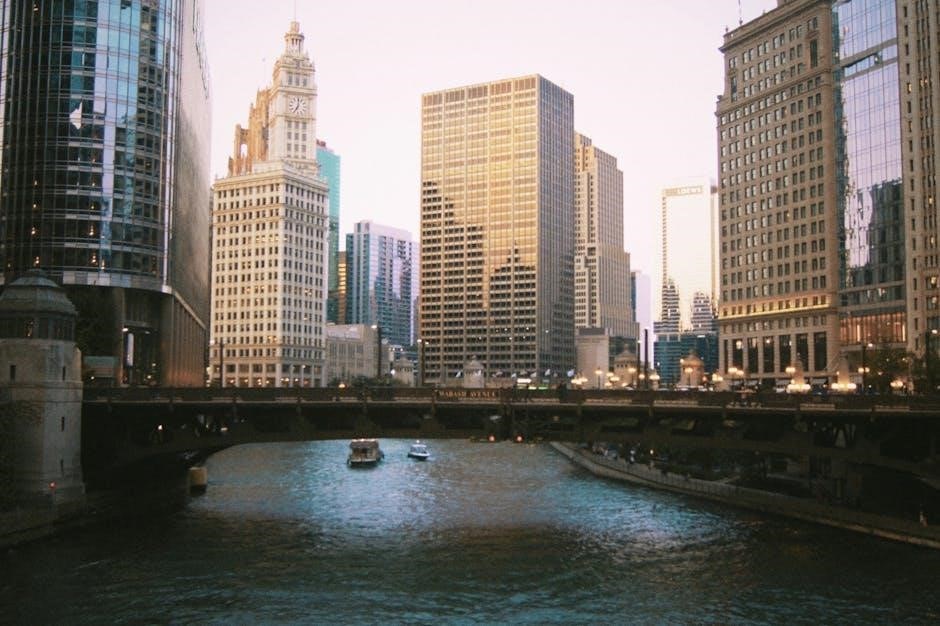
Utilizing Maps and Online Resources
Detailed online maps, like Yandex Maps, offer Chicago street views with building numbers, ratings, and reviews for easy navigation and exploration.
Yandex Maps for Chicago Street Navigation
Yandex Maps provides a robust platform for navigating Chicago’s complex street network. This interactive map allows users to explore the city’s geography in detail, pinpointing locations with remarkable accuracy. A key feature is the inclusion of building numbers directly on the map, simplifying address location.
Beyond basic mapping, Yandex Maps integrates business listings complete with ratings, reviews, and photographs, aiding in informed decision-making. The mobile app version extends this functionality, offering on-the-go access to Chicago’s urban layout. Users can also view entrances on the map and receive precise directions, making Yandex Maps an invaluable tool for both residents and tourists.
Detailed Online Maps with Building Numbers
Accessing detailed online maps of Chicago, particularly those displaying building numbers, significantly eases navigation. These resources move beyond simple street views, offering a granular level of detail crucial for precise location finding. Yandex Maps is specifically highlighted as a provider of this functionality, showcasing building numbers directly integrated into the map interface.
This feature is especially useful in a city like Chicago, with its extensive address system. Such maps often include points of interest, business information, and even administrative boundaries, providing a comprehensive overview of the urban landscape. Scale is often around 1:64,360, offering substantial detail for urban exploration.
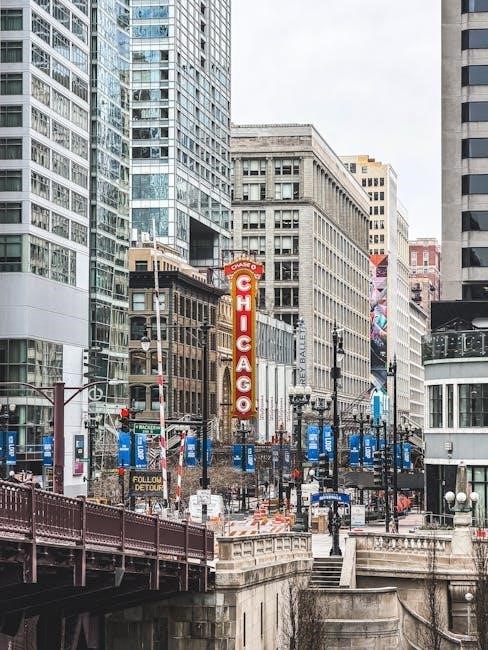
Points of Interest and Street Accessibility
Chicago’s map details key locations like O’Hare Airport and the 1933 World’s Fair site, alongside business ratings and convenient directional guidance.
Chicago O’Hare International Airport Access Roads
Reaching O’Hare International Airport involves navigating a network of crucial access roads, seamlessly connecting the city to this global transportation hub. Major routes include the Kennedy Expressway (I-90/94), providing a direct link from downtown Chicago and surrounding areas. Additionally, Irving Park Road and Foster Avenue serve as vital east-west corridors, offering alternative access points depending on your origin.
Detailed online maps, such as those available through Yandex Maps, pinpoint specific exits and provide real-time traffic updates, ensuring a smooth journey. Understanding these routes is essential for travelers, commuters, and anyone involved in airport-related logistics. Careful planning utilizing these resources minimizes delays and maximizes convenience when accessing O’Hare.
Access to the 1933 World’s Fair Site
The historic site of the 1933 World’s Fair, largely located within Jackson Park, is readily accessible via a network of key Chicago streets. Major routes include Stony Island Avenue and South Shore Drive, providing direct pathways to the park’s perimeter. Furthermore, 63rd Street and Hayes Drive offer convenient east-west connections, facilitating access to various points within the former fairgrounds.
Detailed maps, including those found on Yandex Maps, clearly delineate the site’s boundaries and surrounding roadways. Recognizing these access points allows visitors to easily explore the remaining landmarks and reflect on the Fair’s legacy. The area’s layout is often highlighted on detailed Chicago street maps, showcasing its historical significance.
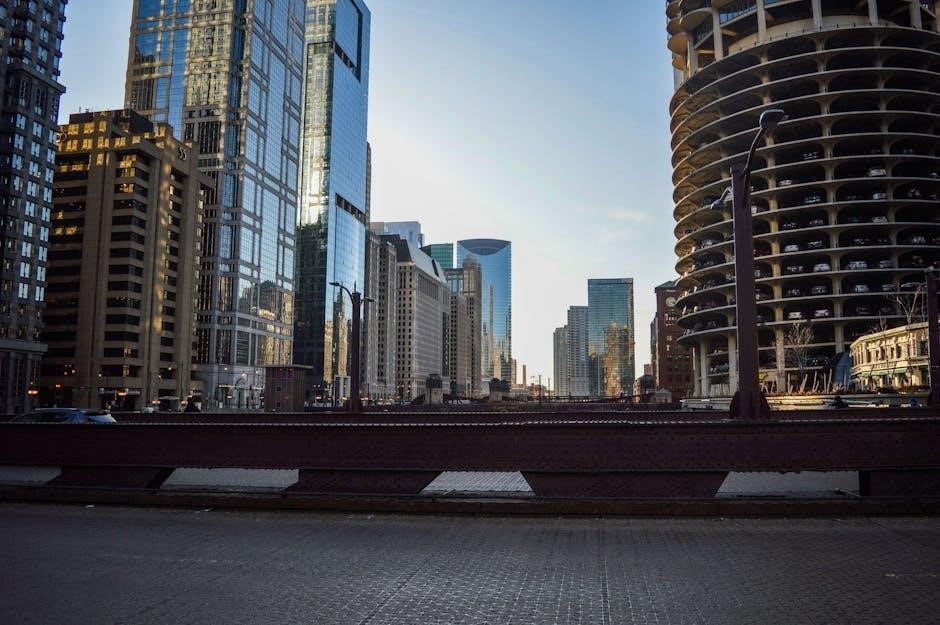
Beyond the City Center
Exploring Illinois beyond Chicago involves major roads like 63rd, 71st, 87th, and 95th Streets, extending the grid and connecting communities.
Illinois Road Map: Exploring Beyond Chicago
Venturing outside Chicago’s well-defined grid necessitates an Illinois road map to navigate the state’s broader network. Major routes like 63rd Street, 71st Street, 85th Street, 87th Street, 95th Street, Baker Avenue, and Bond Avenue become crucial connectors.
These roads extend beyond the city’s structured layout, linking Chicago to surrounding towns and regions. Utilizing a detailed map reveals how these arteries intersect with state highways and interstates, facilitating travel across Illinois.
Whether planning a road trip or simply understanding the state’s geography, an Illinois road map provides essential context for journeys beyond the urban core, complementing Chicago’s internal street guide.
Major Roads Outside the City Grid
Beyond Chicago’s organized grid, major roads like Broadway Street, Irving Park Road, and Foster Avenue serve as vital corridors connecting neighborhoods and extending into the surrounding suburbs. These routes often deviate from the strict north-south, east-west pattern found within the city center.
Understanding these roads is crucial for navigating the greater Chicago metropolitan area. They provide access to residential areas, commercial districts, and recreational spaces outside the immediate downtown core.
These thoroughfares, alongside others like Harlem Avenue and Pulaski Road, form a network essential for regional travel and connectivity, supplementing the city’s internal street system.
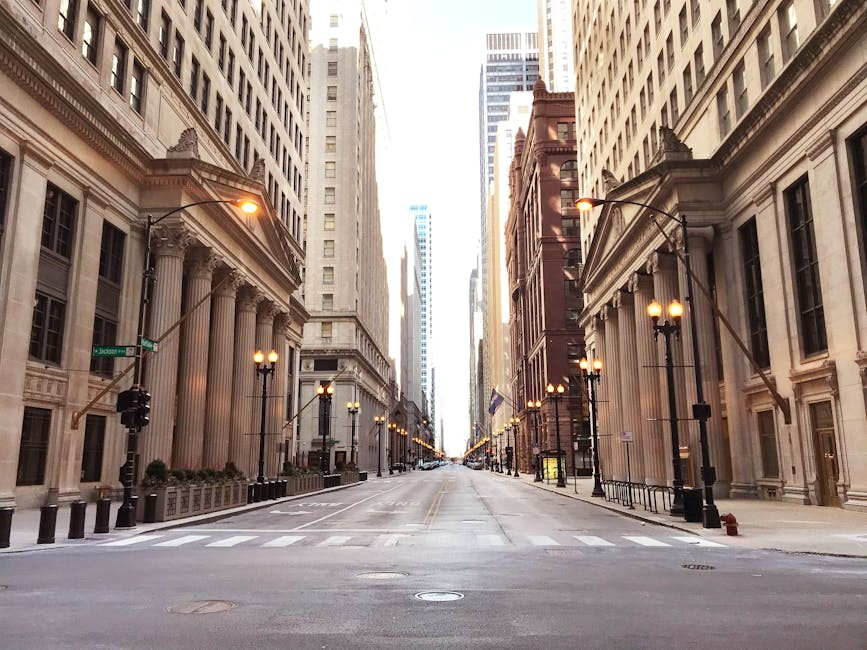
Specific Street Highlights
Notable streets like Broadway, Irving Park Road, and Foster Avenue uniquely connect Chicago’s diverse neighborhoods, each possessing distinct character and local significance.
Broadway Street: Connecting Neighborhoods
Broadway Street serves as a vital north-south artery, seamlessly linking numerous Chicago neighborhoods and offering a diverse tapestry of experiences. Stretching for a considerable distance, it traverses through areas like Uptown, Edgewater, and Rogers Park, each contributing its unique flavor to the street’s character.
Along Broadway, you’ll discover a vibrant mix of local businesses, restaurants, theaters, and residential areas. It’s a corridor known for its accessibility and pedestrian-friendly atmosphere, making it a popular choice for both residents and visitors. The street’s connectivity fosters a strong sense of community, allowing easy access to various amenities and attractions throughout the city’s north side.
Irving Park Road: A West Side Corridor
Irving Park Road functions as a significant east-west thoroughfare on Chicago’s Northwest Side, acting as a crucial corridor connecting diverse communities. This bustling street runs through neighborhoods like Portage Park, Irving Park, and North Park, each boasting distinct cultural identities and local businesses.
Irving Park Road is characterized by its commercial vibrancy, offering a wide array of shops, restaurants, and services catering to the local population. It’s a key transportation route, facilitating easy access to residential areas and providing connections to major expressways. The street’s accessibility and lively atmosphere make it a central hub for daily life on the city’s west side.
Foster Avenue: A North Side Route
Foster Avenue serves as a vital east-west street traversing Chicago’s North Side, linking several vibrant neighborhoods including Edgewater, Rogers Park, and West Ridge. This corridor is known for its blend of residential areas and commercial districts, offering a diverse range of amenities to residents.
Foster Avenue provides convenient access to local businesses, parks, and public transportation options, making it a popular route for commuters and pedestrians alike. The street’s character is defined by its tree-lined stretches and a strong sense of community. It’s a key component of the North Side’s intricate street network, facilitating connectivity and accessibility.
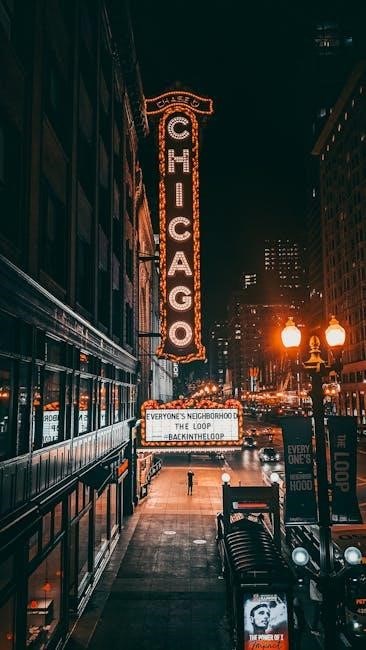
Additional Street References
Chicago’s extensive network includes key routes like 63rd, 71st, and 87th Streets, alongside Broadway and Irving Park Road for diverse access.
63rd Street
63rd Street serves as a significant east-west corridor, particularly on the South Side of Chicago. Historically, it’s been a vibrant commercial and cultural hub, connecting diverse neighborhoods. The street offers access to the University of Chicago and Hyde Park, fostering a blend of academic and residential life.
Beyond the university influence, 63rd Street boasts a rich history of African American culture and entrepreneurship. Numerous businesses and community organizations line the street, contributing to its unique character. Accessibility is enhanced by public transportation options, making it a well-connected route for both residents and visitors. Exploring 63rd Street provides a glimpse into the heart of Chicago’s South Side.
71st Street
71st Street is a crucial east-west artery traversing Chicago’s South Side, notably within the Greater Grand Crossing and South Shore communities. It’s recognized as a major retail and transportation corridor, offering a diverse range of businesses and services to local residents. The street’s accessibility is bolstered by numerous bus routes, facilitating convenient travel throughout the area.
Historically, 71st Street has been a focal point for community life, showcasing a strong sense of neighborhood identity. It provides access to parks, schools, and cultural institutions, enriching the quality of life for those who live and work nearby. Exploring 71st Street reveals the vibrant spirit of Chicago’s South Side.
87th Street
87th Street serves as a significant east-west thoroughfare on Chicago’s South Side, primarily running through the Avalon Park and Calumet Heights neighborhoods. It’s a vital commercial strip, hosting a variety of local businesses, restaurants, and essential services for the surrounding communities. Public transportation along 87th Street is readily available, enhancing connectivity for residents.
The street’s character reflects the strong community bonds of the South Side, offering a glimpse into the area’s rich cultural heritage. 87th Street provides convenient access to recreational spaces and educational facilities, contributing to a thriving neighborhood environment. It’s a key component of Chicago’s extensive street network.








Leave a Comment