
the legend of sleepy hollow pdf
The Legend of Sleepy Hollow PDF: A Comprehensive Guide (Updated 04/01/2026)
Seeking a digital copy? This guide navigates finding “The Legend of Sleepy Hollow” in PDF format‚ exploring both free and paid options for convenient access today․
What is “The Legend of Sleepy Hollow”?
“The Legend of Sleepy Hollow” is a gothic short story penned by the celebrated American author Washington Irving‚ first published in 1820․ It’s a cornerstone of American literature‚ deeply embedded in the nation’s folklore and frequently revisited through various adaptations․
The narrative unfolds in the secluded valley of Sleepy Hollow‚ New York‚ a place steeped in superstition and local legends․ The story centers around Ichabod Crane‚ a lanky and superstitious schoolteacher from Connecticut‚ who arrives in Sleepy Hollow to teach and pursue the affections of Katrina Van Tassel‚ a wealthy heiress․
However‚ Ichabod’s romantic pursuits are complicated by the presence of Brom Bones‚ a local hero and rival for Katrina’s hand․ The tale culminates in a chilling encounter with the Headless Horseman‚ a spectral figure said to haunt the hollow․ The story masterfully blends humor‚ romance‚ and the supernatural‚ creating a captivating and enduring tale․ Finding a PDF version allows easy access to this classic!
Historical Context & Washington Irving
Washington Irving‚ born in 1783‚ was a pivotal figure in establishing a distinctly American literary voice․ He wrote during a period of burgeoning national identity‚ following the American Revolution․ His work often explored themes of American history and folklore‚ seeking to define a cultural landscape separate from European traditions․
“The Legend of Sleepy Hollow‚” published within his collection The Sketch Book of Geoffrey Crayon‚ Gent․‚ reflects the early 19th-century fascination with the supernatural and the lingering influence of Dutch colonial history in the Hudson Valley․ Irving drew inspiration from local legends and his own travels through the region․
The story’s setting‚ Sleepy Hollow‚ is based on a real place – now Tarrytown‚ New York – and embodies the rural‚ agrarian life of the time․ Accessing a PDF of the story provides a window into this historical period and Irving’s literary genius‚ allowing readers to connect with a foundational American narrative․
The Story’s Core Narrative
“The Legend of Sleepy Hollow” centers on Ichabod Crane‚ a lanky and superstitious schoolteacher from Connecticut‚ who arrives in the Dutch settlement of Sleepy Hollow․ He quickly becomes enamored with Katrina Van Tassel‚ the wealthy daughter of a local farmer‚ hoping to win her hand – and her inheritance․
However‚ Ichabod faces competition from Brom Bones‚ a local hero and prankster․ The narrative builds tension through local ghost stories‚ particularly the tale of the Headless Horseman‚ a Hessian trooper who lost his head during the Revolutionary War․
The climax involves Ichabod’s terrifying encounter with the Horseman on his ride home after a party․ A PDF version allows readers to experience this classic tale of romance‚ rivalry‚ and the supernatural‚ preserving Irving’s original prose and atmospheric storytelling․
Finding “The Legend of Sleepy Hollow” PDFs Online
Locating a PDF of Washington Irving’s classic tale requires careful navigation․ A simple web search yields numerous results‚ but discerning legitimate sources from potentially unsafe ones is crucial․ Many websites offer free PDF downloads‚ but these often come with risks – malware‚ viruses‚ or poor formatting․
Caution is advised when clicking on unfamiliar links․ Prioritize sites known for hosting public domain works or those affiliated with educational institutions․ Project Gutenberg is a reliable starting point․ Always scan downloaded files with antivirus software before opening them․
Exploring digital libraries and online bookstores can also reveal PDF options‚ sometimes as part of larger collections․ Remember to verify the source’s credibility to ensure a safe and enjoyable reading experience with this beloved story․
Legitimate Sources for Free PDFs
Several reputable online platforms offer free‚ legal PDF versions of “The Legend of Sleepy Hollow․” Project Gutenberg stands out as a primary source‚ providing meticulously proofread and formatted ebooks‚ including Irving’s masterpiece‚ for free download․ Their commitment to public domain literature ensures a safe and reliable experience․

Internet Archive is another excellent resource‚ boasting a vast digital library with scanned copies of classic texts․ Many university libraries also offer digitized collections accessible to the public․ Google Books provides previews and‚ in some cases‚ full PDF downloads of public domain editions․
These sources prioritize copyright compliance and offer virus-free downloads‚ guaranteeing a secure and enjoyable reading experience․ Always double-check the file source and format before downloading to avoid potential issues․
Paid PDF Options & eBook Retailers
For readers preferring a premium experience‚ several eBook retailers offer “The Legend of Sleepy Hollow” in PDF or other eBook formats for purchase․ Amazon Kindle Store provides a wide selection of editions‚ often including enhanced features like annotations and adjustable fonts․ Barnes & Noble also offers Nook eBooks‚ compatible with their eReaders and apps․
Kobo is another popular platform with a diverse catalog and competitive pricing․ These retailers frequently run sales and promotions‚ making eBooks more affordable․ Purchasing a PDF ensures a high-quality‚ DRM-protected file‚ supporting authors and publishers․
Beyond major retailers‚ smaller eBook stores and independent publishers may also offer unique editions․ Consider exploring these options for specialized versions or accompanying materials․
Character Analysis: Ichabod Crane
Ichabod Crane is arguably the most memorable figure in Washington Irving’s tale․ He’s presented as a lanky‚ awkward schoolmaster from Connecticut‚ arriving in Sleepy Hollow to teach and pursue social advancement․ Crane embodies a blend of ambition and insecurity‚ driven by a desire for comfort and status‚ particularly through marriage to the wealthy Katrina Van Tassel․
His character is often interpreted as a satirical representation of the Yankee interloper‚ contrasting with the established Dutch families of the region․ He’s depicted as superstitious and easily frightened‚ readily believing in local ghost stories․ This vulnerability ultimately contributes to his downfall․
Crane’s intellectualism is portrayed as somewhat shallow‚ focused on practical skills rather than genuine learning․ He’s a complex character‚ eliciting both amusement and sympathy from the reader․
Ichabod Crane’s Appearance & Personality
Physically‚ Ichabod Crane is described as exceedingly lanky‚ with long arms and legs‚ and a disproportionately small head․ His elbows and knees seem perpetually jutting out‚ contributing to a generally awkward and ungainly appearance․ He’s often clad in ill-fitting‚ patched clothing‚ reflecting his modest means․ His face is narrow‚ with a large nose‚ and he possesses a habit of incessantly rubbing his chin․

Personality-wise‚ Crane is portrayed as a somewhat eccentric and ambitious individual․ He’s a devoted reader of popular literature‚ particularly books on witchcraft and the supernatural‚ fueling his already vivid imagination․ He’s also a skilled singer and dancer‚ though his performances are often characterized by awkwardness․
He’s ambitious‚ seeking to improve his social standing through marriage‚ but also somewhat insecure and easily intimidated‚ especially by those of higher social status․
Ichabod Crane’s Role as an Outsider
Ichabod Crane’s position within the Sleepy Hollow community is fundamentally that of an outsider․ As a schoolteacher from Connecticut‚ he arrives in the rural Dutch settlement lacking the deep-rooted familial connections and local history shared by the established families like the Van Tassels․
His profession itself marks him as distinct; teaching is viewed as a somewhat lowly occupation in this agrarian society․ Furthermore‚ his Yankee origins create a cultural divide with the predominantly Dutch inhabitants‚ fostering a sense of otherness․ He attempts to integrate through singing lessons and courting Katrina Van Tassel‚ but these efforts are largely perceived as opportunistic․
This outsider status contributes significantly to the villagers’ willingness to believe the tales of his encounter with the Headless Horseman‚ as he lacks the social capital to effectively defend himself against such accusations․
Character Analysis: Katrina Van Tassel
Katrina Van Tassel embodies the idyllic beauty and prosperity of Sleepy Hollow․ Described as “a plump‚ rosy-cheeked maiden‚” she is the daughter of a wealthy farmer‚ Baltus Van Tassel‚ and represents the material comforts and social standing highly valued within the community․
Her appeal isn’t solely physical; she possesses a playful disposition and a certain coquette-like charm that attracts the attention of both Ichabod Crane and Brom Bones․ However‚ her character is subtly portrayed as somewhat superficial‚ more concerned with admiration and material gain than genuine affection․
Washington Irving presents Katrina as a prize to be won‚ a symbol of the good life available in Sleepy Hollow․ She isn’t deeply developed psychologically‚ serving primarily as a catalyst for the rivalry between Ichabod and Brom‚ and highlighting the societal values of the time․
Katrina Van Tassel’s Appeal & Social Standing
Katrina Van Tassel’s allure stems from a combination of her physical beauty‚ vivacious personality‚ and‚ crucially‚ her family’s wealth․ She is depicted as a desirable match within the Sleepy Hollow community‚ representing security and social advancement for any suitor․
Her social standing is firmly established by her father‚ Baltus Van Tassel‚ a prosperous farmer․ This affluence translates into a comfortable lifestyle and a position of respect within the local society․ Katrina benefits directly from this‚ attracting the attention of both Ichabod Crane‚ seeking to improve his own circumstances‚ and Brom Bones‚ a local hero․
Irving emphasizes that Katrina is not merely beautiful‚ but also a valuable asset․ Her charm and playful nature are amplified by the promise of a comfortable future‚ making her the object of intense competition and a symbol of the materialistic values present in Sleepy Hollow․
The Significance of Katrina’s Wealth
Katrina Van Tassel’s wealth isn’t merely a backdrop to the story; it’s a central driving force behind the characters’ motivations and actions․ Her father’s prosperous farm represents economic security and social status within the Sleepy Hollow community‚ making her a highly desirable bride․
For Ichabod Crane‚ Katrina’s fortune offers a path to escape his humble beginnings and achieve a comfortable lifestyle․ He envisions a future of ease and respectability‚ fueled by her inheritance․ This ambition heavily influences his pursuit of her affections․
Conversely‚ Brom Bones’ interest in Katrina is less about financial gain and more about asserting his local dominance and preventing an outsider like Crane from acquiring such a valuable asset․ The competition highlights the importance placed on land and prosperity in the region․ Ultimately‚ Katrina’s wealth symbolizes the societal values of the time‚ where marriage was often a strategic alliance based on economic considerations․
The Headless Horseman: Origins & Symbolism
The Headless Horseman is arguably the most iconic element of Irving’s tale‚ rooted in local folklore and historical accounts of Hessian soldiers lost during the Revolutionary War․ Stories of a decapitated rider haunted the Sleepy Hollow region‚ providing fertile ground for Irving’s imagination․
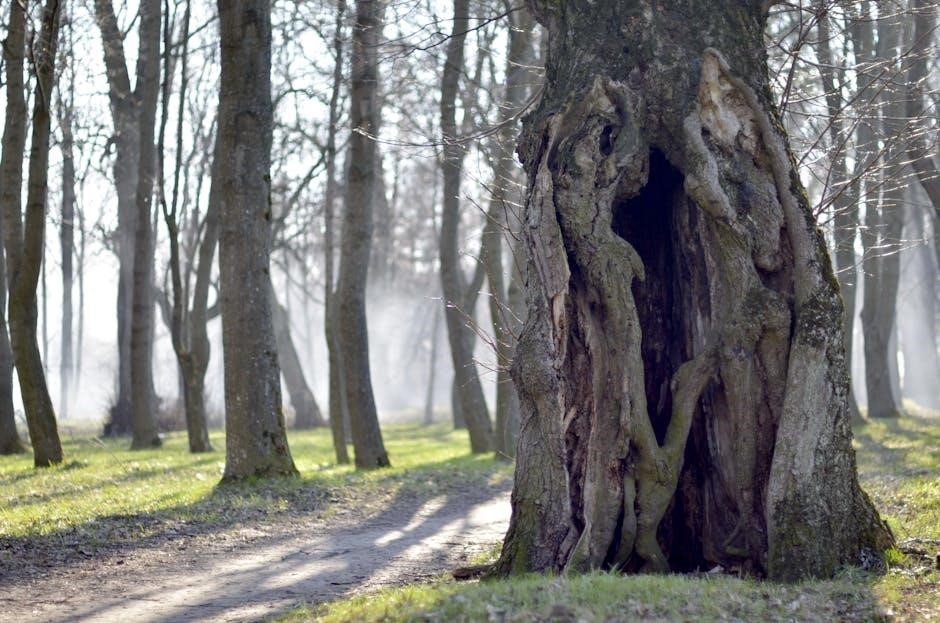
Symbolically‚ the Horseman embodies fear‚ the unknown‚ and the lingering trauma of war․ His terrifying pursuit of Ichabod Crane represents the anxieties and superstitions prevalent in the rural community․ The lack of a head suggests a loss of reason and control‚ a descent into primal terror․
Furthermore‚ the Horseman can be interpreted as a manifestation of Ichabod’s own insecurities and overactive imagination․ His vulnerability to the supernatural highlights the power of belief and the fragility of the human psyche․ Ultimately‚ the Horseman’s enduring appeal lies in his ability to tap into universal fears and anxieties․
The Historical Basis for the Legend
While fictionalized‚ “The Legend of Sleepy Hollow” draws heavily from the historical landscape of the Hudson Valley in New York․ Washington Irving resided in the area and meticulously researched local folklore and Dutch colonial history‚ weaving these elements into his narrative․
Specifically‚ the story is believed to be inspired by the experiences of Jesse Merrihew‚ a post rider who was thrown from his horse and fatally injured․ Local tales transformed this incident into a ghostly legend of a headless rider seeking his lost head․
Irving’s familiarity with the region’s Dutch heritage also informs the story’s setting and character names․ Sleepy Hollow itself‚ known as Tarry Town during Irving’s time‚ was a real place with a distinct cultural identity․ Therefore‚ the tale isn’t purely invention‚ but a skillful blend of historical fact and imaginative storytelling․
The Horseman as a Symbol of Fear & the Unknown
The Headless Horseman transcends a simple ghost story; he embodies primal fears and the anxieties surrounding the unknown․ His terrifying pursuit of Ichabod Crane represents the looming dread of the unfamiliar and the power of superstition in a nascent American society․
The lack of a head itself is profoundly unsettling‚ symbolizing a loss of reason‚ identity‚ and control․ He’s a manifestation of the anxieties felt by those venturing into a new and often unpredictable world․ Furthermore‚ the Horseman’s connection to the Revolutionary War adds another layer of meaning‚ potentially representing lingering societal trauma․
Ultimately‚ the Horseman isn’t merely a frightening figure‚ but a potent symbol of the psychological landscape of the time‚ reflecting the fears and uncertainties that haunted the early American imagination․ He is a chilling reminder of what lies beyond the boundaries of understanding․
Themes Explored in “The Legend of Sleepy Hollow”
“The Legend of Sleepy Hollow” delves into several compelling themes‚ resonating with readers even today․ Central to the narrative is the tension between superstition and reason‚ vividly portrayed through the contrasting beliefs of Ichabod Crane and the rural community of Sleepy Hollow․
The story also examines the clash between the old world and the new‚ as Ichabod‚ an outsider representing progress and education‚ attempts to integrate into a deeply traditional society․ Furthermore‚ Irving explores the themes of social ambition and the pursuit of wealth‚ particularly through the character of Katrina Van Tassel․
Ultimately‚ the tale serves as a commentary on the power of folklore and the human tendency to create narratives to explain the inexplicable․ It’s a captivating exploration of American identity‚ societal anxieties‚ and the enduring allure of the supernatural․
Superstition & Folklore
“The Legend of Sleepy Hollow” is steeped in rich Dutch folklore and pervasive superstition‚ forming a crucial element of its atmosphere and plot․ The story’s setting‚ the isolated and historically resonant Sleepy Hollow‚ is presented as a place where ghostly tales and local legends hold significant sway over the inhabitants’ beliefs․
Irving masterfully incorporates numerous examples of these superstitions‚ from the belief in witchcraft and ghosts to the widespread fear of the Headless Horseman․ These elements aren’t merely decorative; they actively shape the characters’ actions and perceptions‚ particularly Ichabod Crane’s‚ who is both fascinated and frightened by the local lore․
The tale demonstrates how folklore functions as a means of explaining the unknown and reinforcing community bonds‚ while also highlighting the potential for fear and misinterpretation․ It’s a testament to the enduring power of storytelling and the human need to find meaning in the mysterious․
The Clash Between Reason & Imagination
“The Legend of Sleepy Hollow” brilliantly portrays a conflict between rational thought and the power of imagination‚ embodied primarily in the characters of Ichabod Crane and the community of Sleepy Hollow․ Crane‚ representing the burgeoning spirit of American practicality and education‚ attempts to apply logic to a world steeped in folklore and superstition․
However‚ the narrative subtly undermines his rational approach‚ suggesting that the power of belief and imagination can be equally‚ if not more‚ compelling․ The villagers‚ readily accepting the supernatural‚ demonstrate a worldview where the unseen and unexplained hold significant weight․
This tension culminates in the ambiguous climax with the Headless Horseman‚ leaving the reader to question whether Crane’s fate was a result of supernatural forces or his own overactive imagination fueled by local tales․ Irving’s masterful storytelling invites us to consider the limitations of reason and the enduring allure of the fantastical․
Adaptations of “The Legend of Sleepy Hollow”
“The Legend of Sleepy Hollow” has enjoyed a remarkably enduring legacy‚ inspiring numerous adaptations across various media․ Notably‚ Disney’s 1949 animated version remains a beloved classic‚ offering a family-friendly interpretation of the tale‚ though diverging significantly from the original’s tone․
Tim Burton’s 1999 film provides a darker‚ more gothic reimagining‚ emphasizing the story’s horror elements and visual spectacle․ These cinematic adaptations have broadened the story’s reach‚ introducing it to new generations․ Beyond film‚ the legend has been adapted for television‚ including several made-for-TV movies and episodes within anthology series․
Stage productions further demonstrate its adaptability‚ with theatrical versions often incorporating elements of both humor and suspense․ Finding PDF scripts of these adaptations can be challenging‚ but dedicated fan communities sometimes archive and share such materials online‚ offering unique insights into different interpretations․
Film Adaptations (Disney‚ Tim Burton)
Disney’s 1949 animated rendition of “The Legend of Sleepy Hollow” is a cornerstone adaptation‚ famed for its integration within the package film The Adventures of Ichabod and Mr․ Toad․ While a simplified‚ often comedic take‚ it introduced the story to countless viewers․ Searching for PDF storyboards or behind-the-scenes materials from this production proves difficult‚ as Disney tightly controls its archival content․
Tim Burton’s 1999 film‚ starring Johnny Depp as Ichabod Crane‚ offers a stark contrast․ This version leans heavily into the gothic horror aspects‚ presenting a visually striking and atmospheric interpretation․ PDF copies of the screenplay are occasionally available through fan sites or script databases‚ offering a deeper dive into Burton’s vision․
Both adaptations demonstrate the story’s versatility‚ though neither fully replicates Washington Irving’s original nuance․ Digital copies of film analyses‚ often in PDF format‚ can be found through academic databases and film studies websites․
Television & Stage Adaptations
Numerous television series have drawn inspiration from “The Legend of Sleepy Hollow‚” most notably the Fox series of the same name (2013-2017)․ While full episode scripts in PDF format are rare due to copyright restrictions‚ episode summaries and analyses are widely available online as downloadable PDFs․
Stage adaptations‚ ranging from school productions to professional theatre‚ frequently utilize published script versions․ PDF copies of these scripts can sometimes be found through drama publishers or theatrical licensing companies‚ though often require purchase․ Amateur productions may share informal PDF versions amongst cast and crew․
Classic anthology series‚ like The Twilight Zone‚ occasionally presented adaptations or homages to Irving’s tale․ Finding transcripts of these episodes in PDF format is possible through fan-maintained archives‚ though quality and legality vary․ PDF resources detailing the history of these adaptations are also accessible․









Leave a Comment